The oldest living spiritual tradition — a complete framework for understanding the cosmos, consciousness, and the path to liberation. Originating ~5,000+ years ago in the Indian subcontinent.
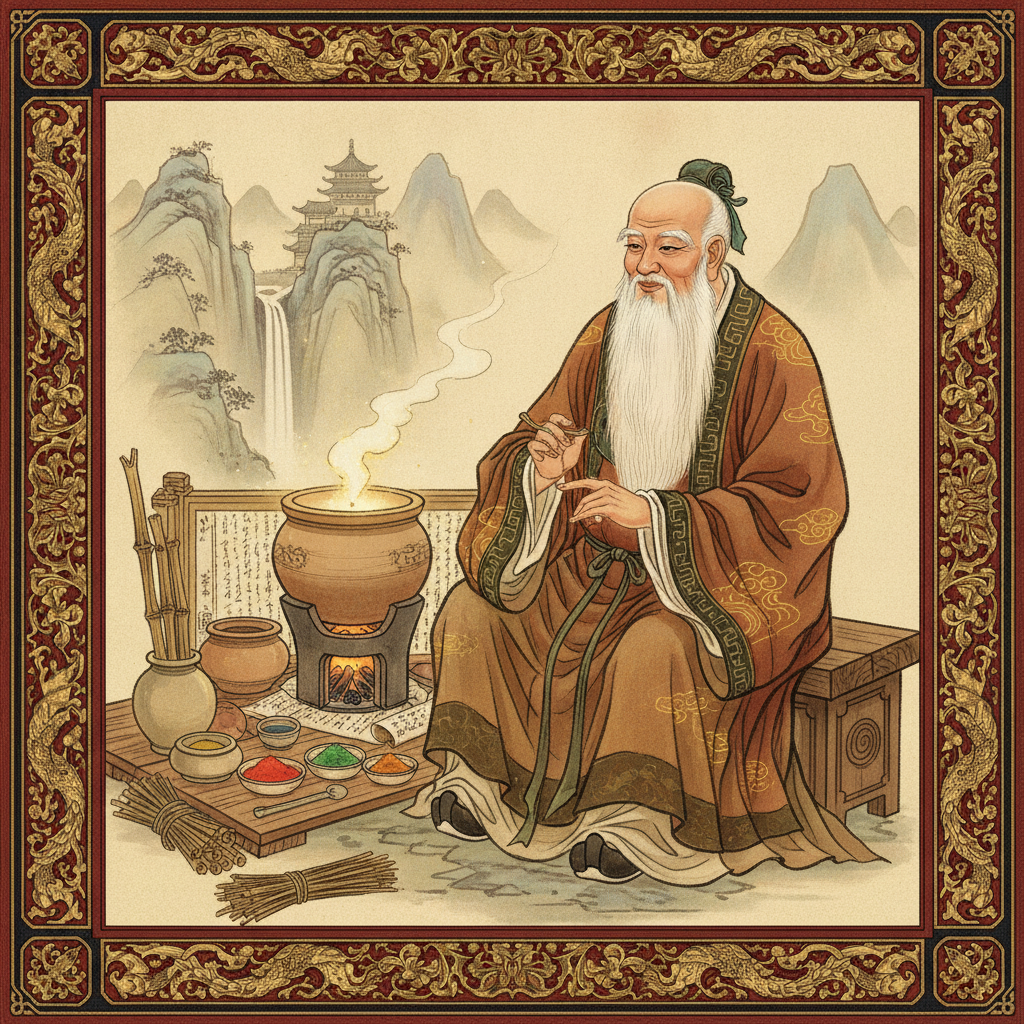
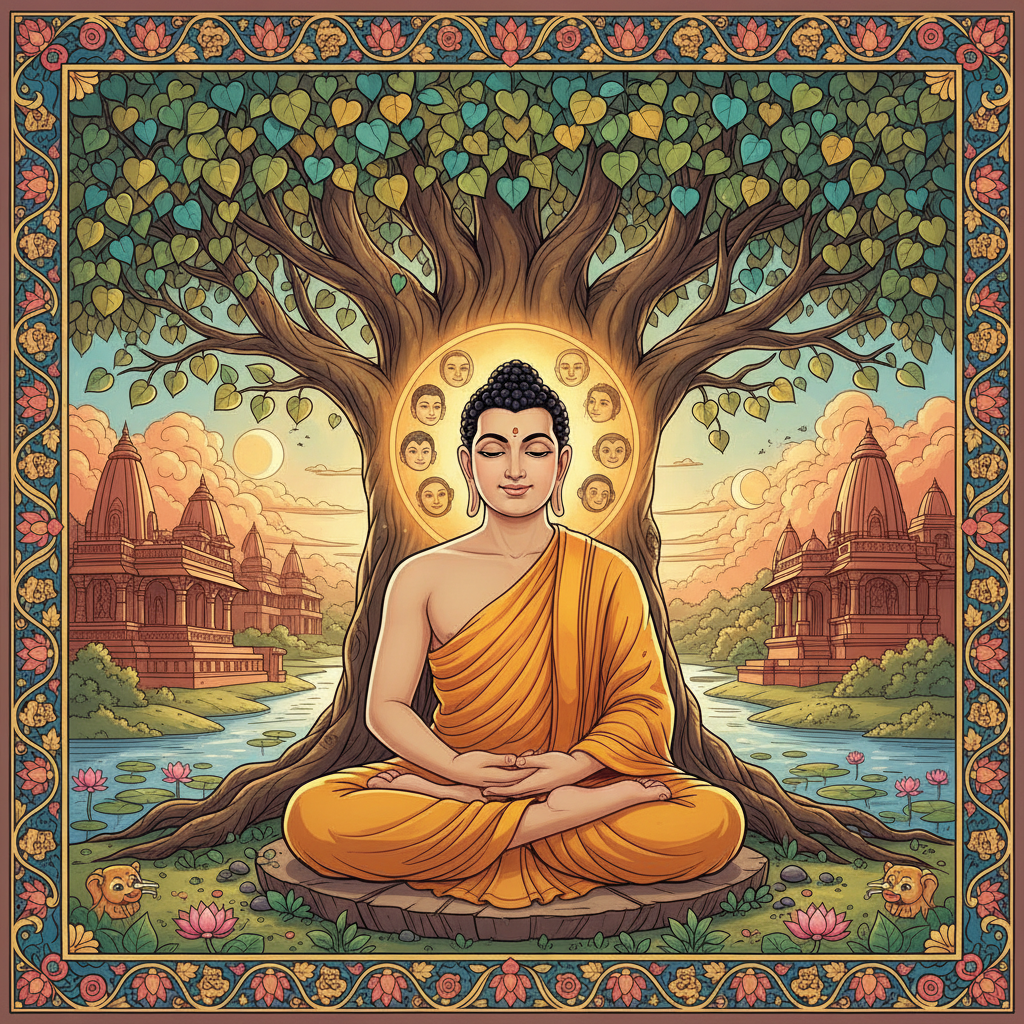
Begin Your Journey ↓The word Veda comes from the Sanskrit root vid (to know). Vedas are called Shruti ("that which was heard") — divine knowledge received by Rishis in deep meditation, not composed by any human. They are Apaurusheya (not of human origin).
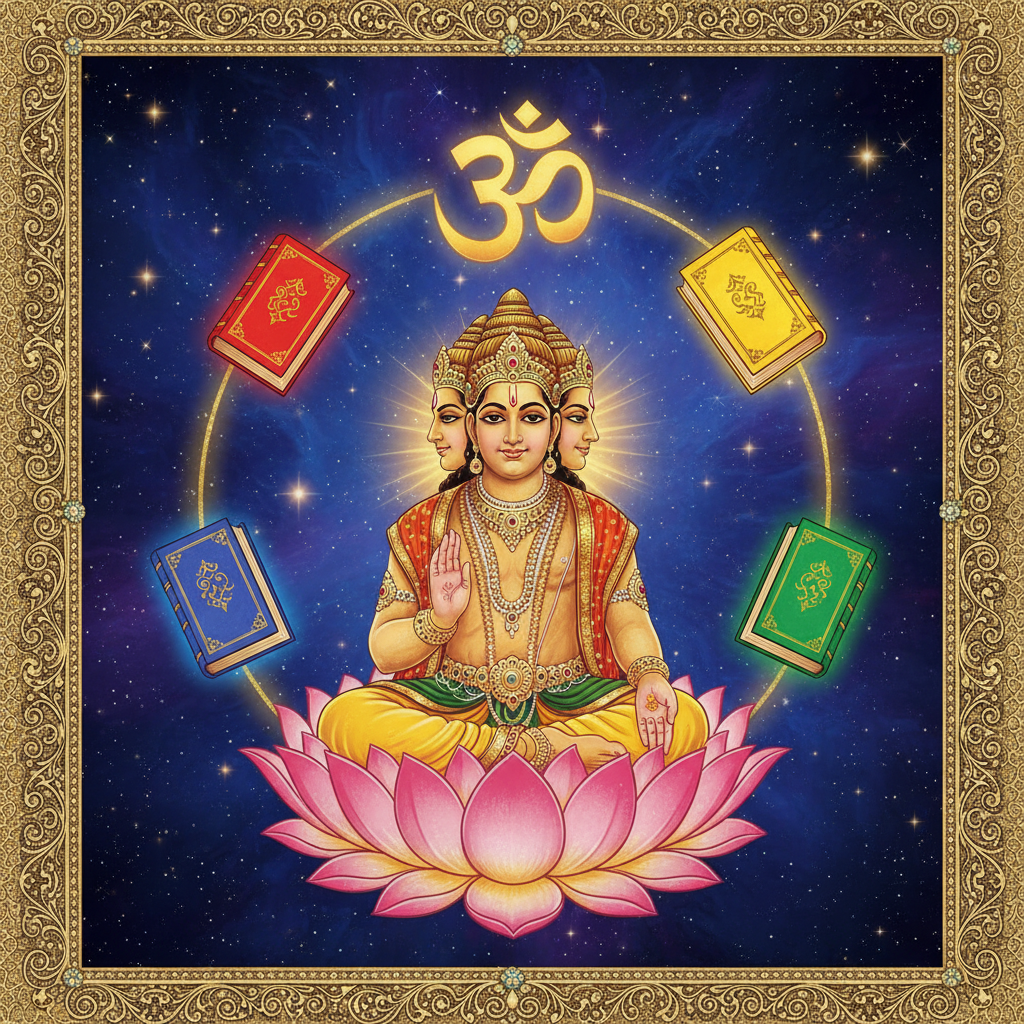
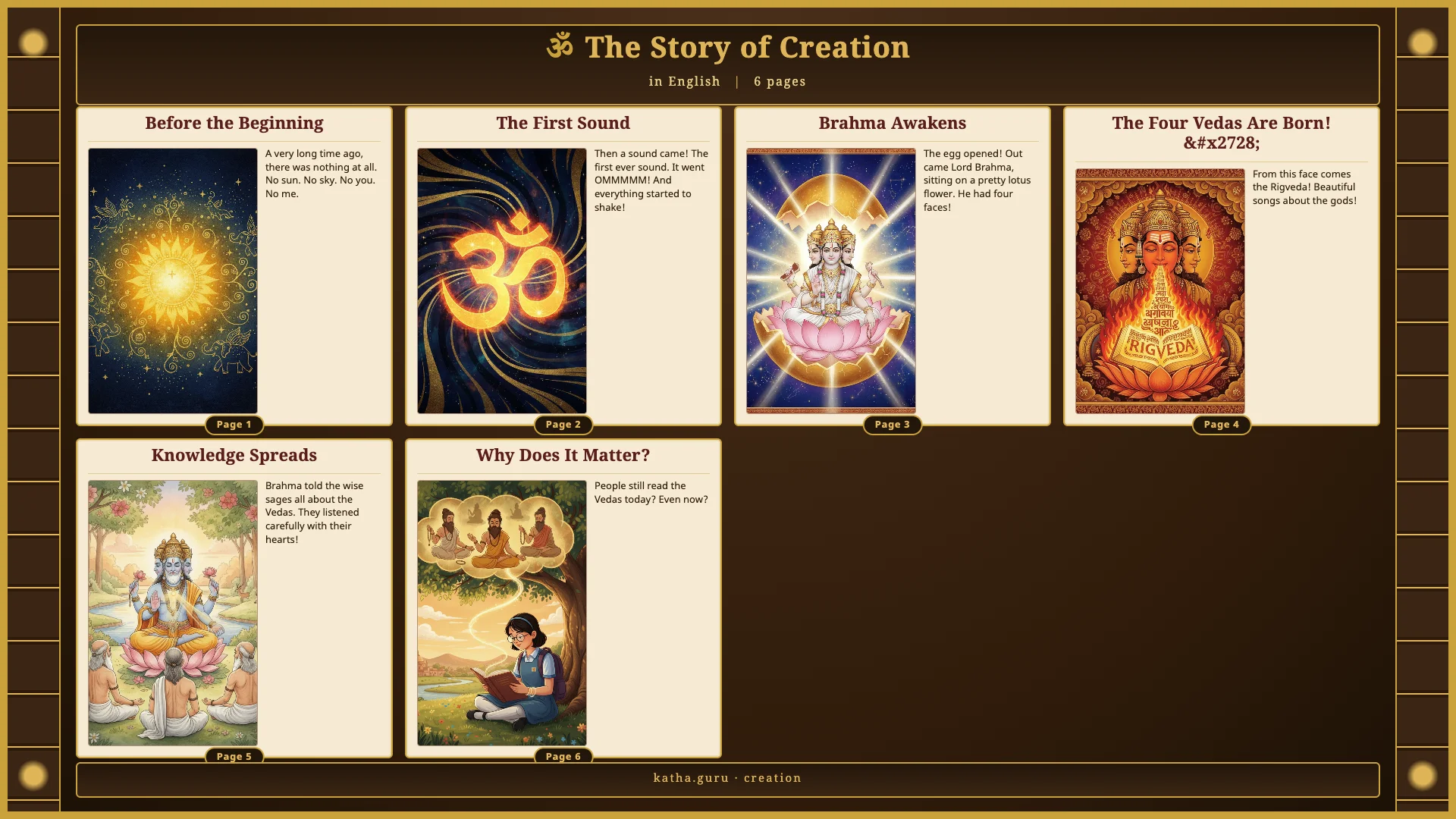
At the beginning of creation, Brahma Ji uttered the four Vedas from his four faces:
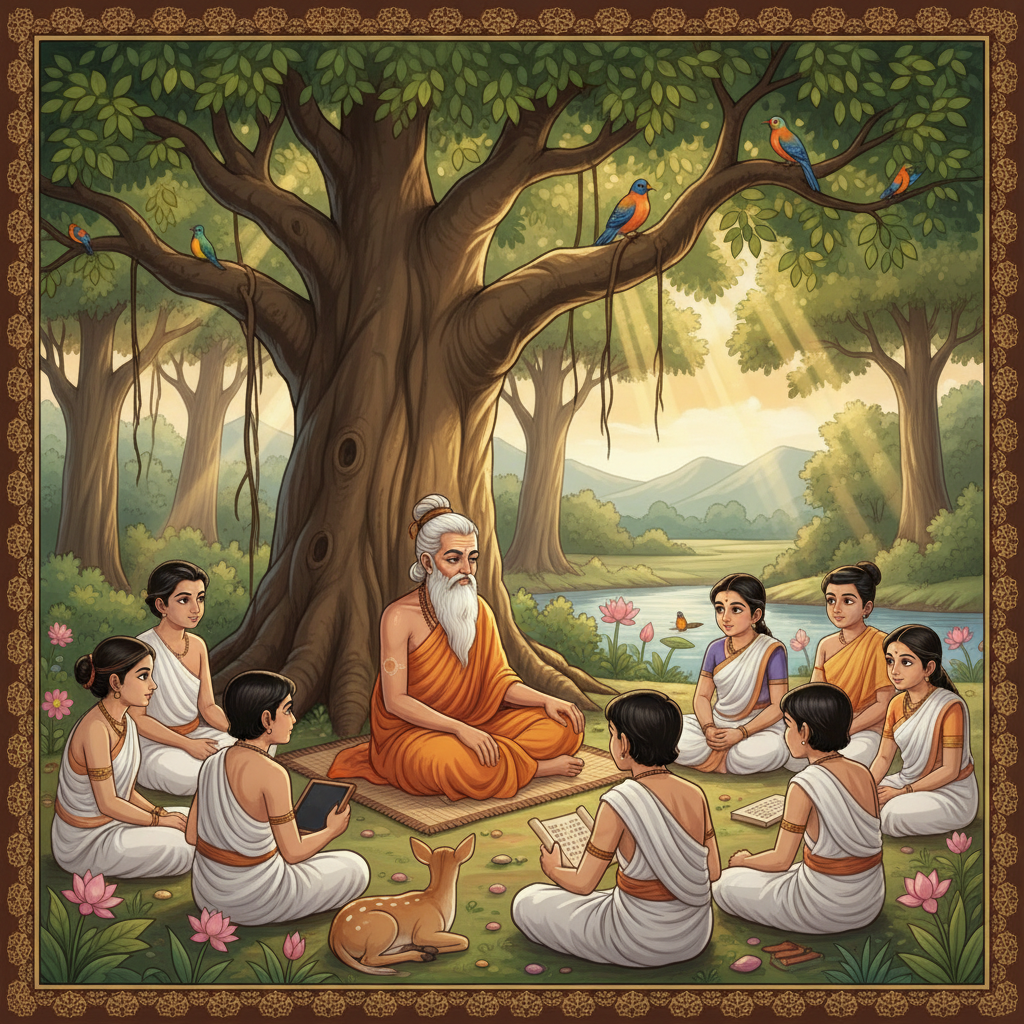
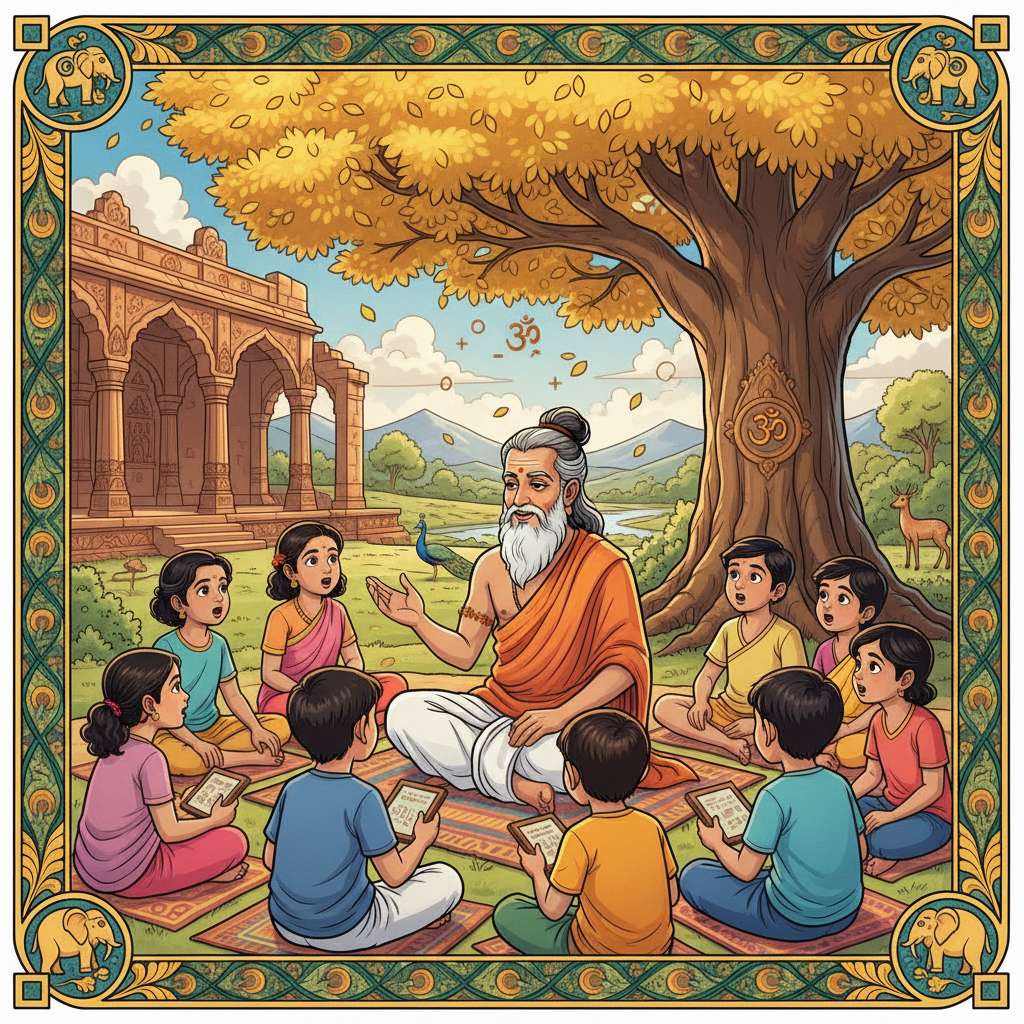
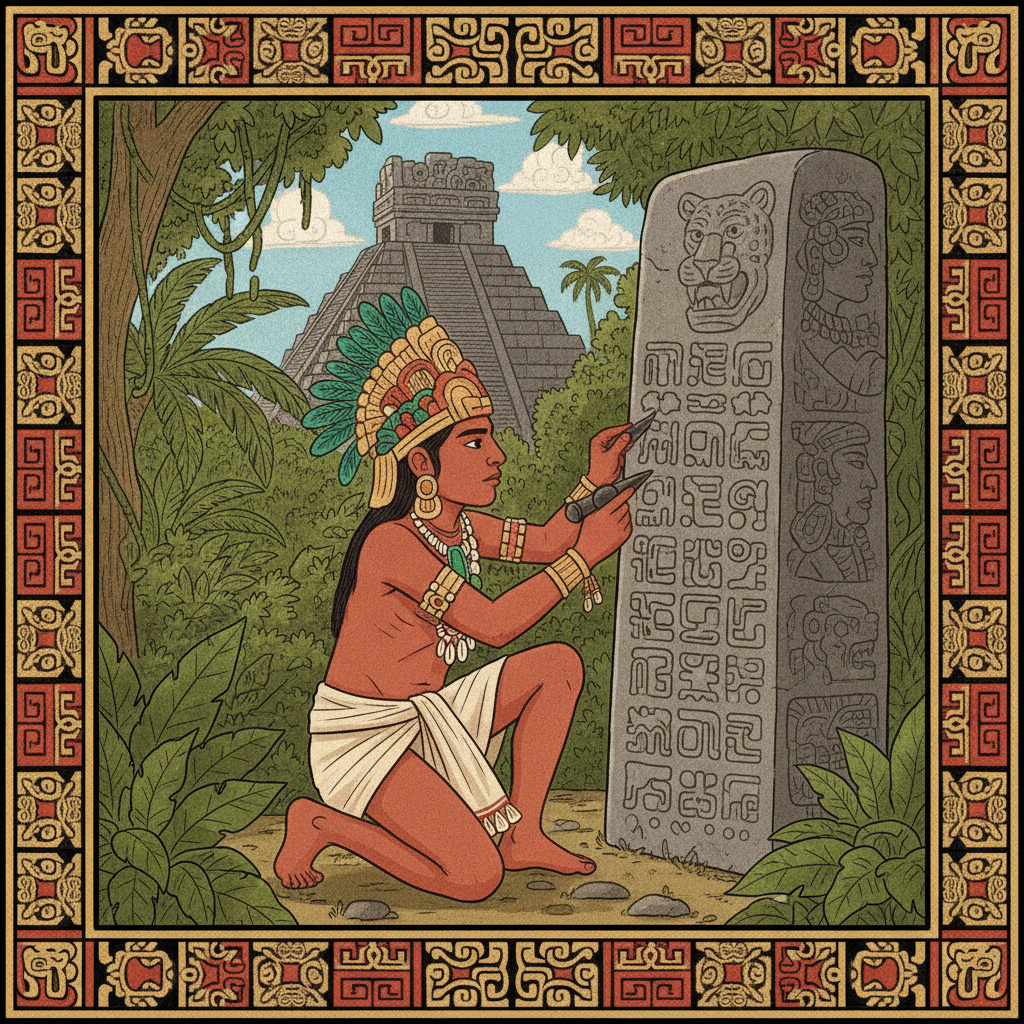
For thousands of years, Vedas were preserved purely through oral tradition. Gurus taught mantras to disciples who memorized every syllable, accent, and intonation. Not a single word was allowed to change — pronunciation errors would alter the meaning entirely.
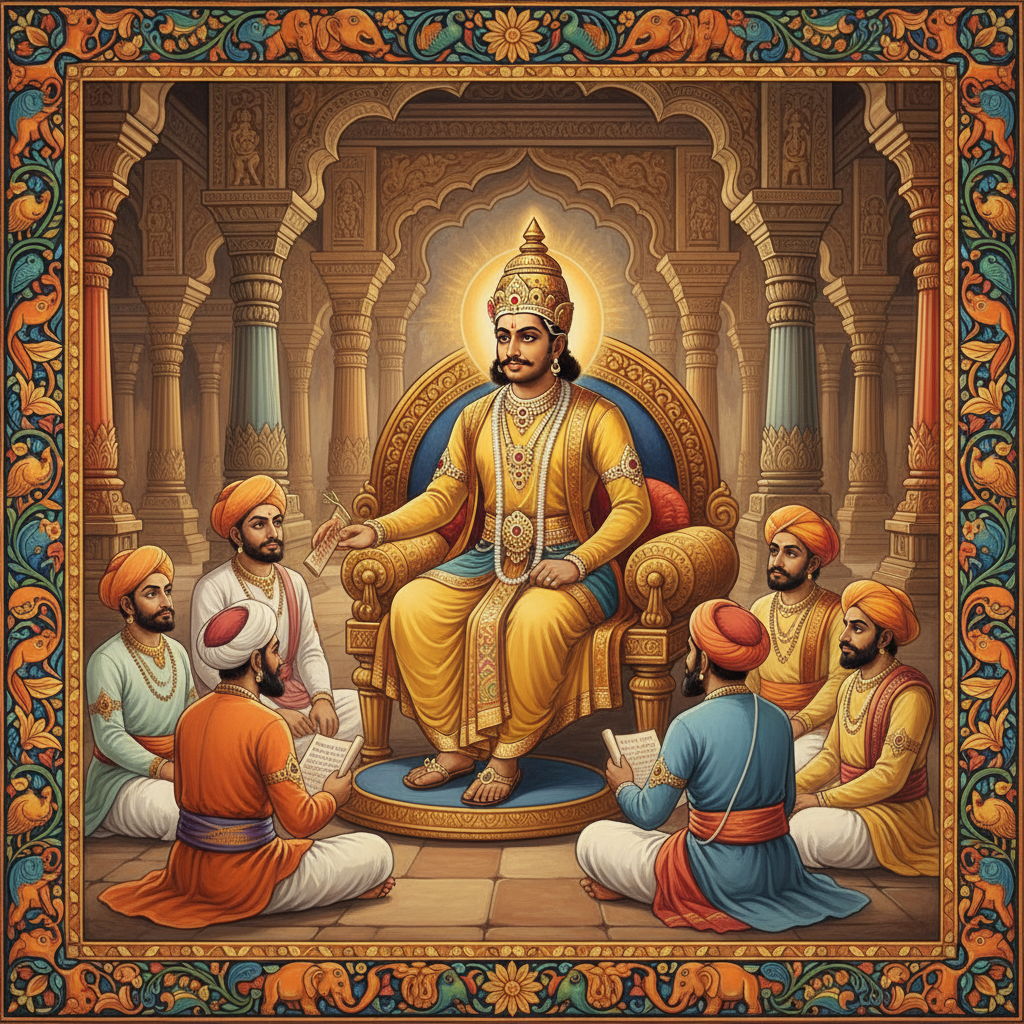
Maharshi Vedavyasa (considered the 19th avatar of Lord Vishnu) then compiled and organized this vast oral knowledge into four written Vedas. The word Vyasa itself means "to divide/organize."
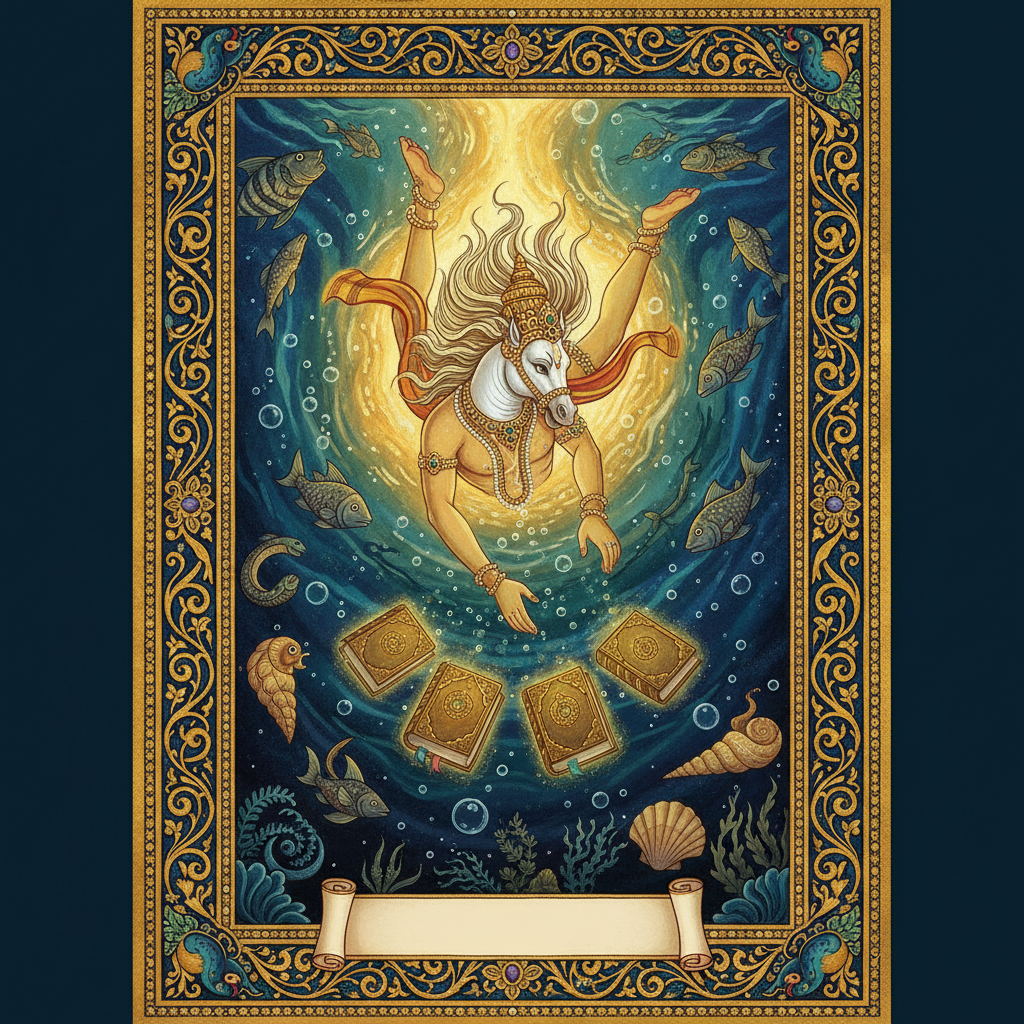
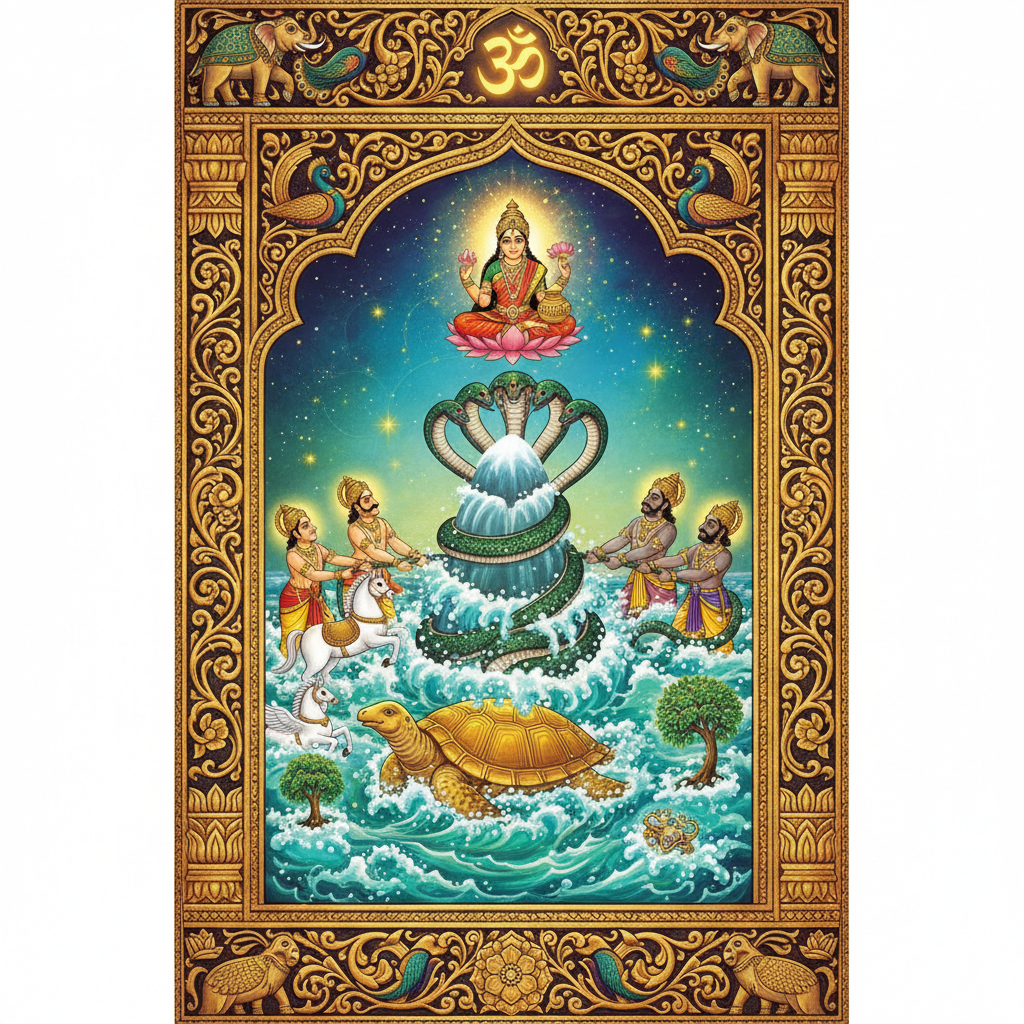
Two asuras — Madhu and Kaitabh — stole the Vedas and hid them deep in the ocean. Without the Vedas, the gods lost their power, yajnas stopped, and darkness engulfed creation. Brahma sent Hayagriva (the horse-headed avatar of knowledge) who battled the asuras underwater, destroyed their fortress, and returned the Vedas. The moment they were restored, light returned to the cosmos, yajnas reignited, and the flow of knowledge resumed.
Sanatan Dharam is not one book — it is an entire library. Each Veda is a classification (a set of books), and within each Veda are four types of texts.
Just like school had Arts, Commerce, and Science streams — Sanatan Dharam offers three paths to the Divine. Choose the path that fits your nature. You don't need to study all paths at once.
Seek truth through study, contemplation, and discernment between the real (Sat) and unreal (Asat). Uses logic, inquiry, and meditation to realize the nature of Brahman (ultimate reality) and Atman (self).
Surrender to the Divine through love, worship, singing, and prayer. The most accessible path — open to all regardless of caste, gender, or education. Builds a personal relationship with Ishvara (God).
Attain liberation through righteous action without attachment to results. Perform your duty (Svadharma) with excellence. Yajnas, rituals, and social service purify the mind and burn karmic seeds.
Each Veda is NOT just one book. It is a classification containing four types of texts, designed to be studied at different stages of life. Click each layer to expand full details.
The oldest and most fundamental layer. Collections of verses, stanzas, and mantras — primarily praising gods and forces of nature. When people say "Vedas," they usually mean this portion.
Young minds have the sharpest memory. Mantras require perfect memorization of pronunciation, vowels, consonants, and tonal accents. Once memorized, you could teach your own children (in Grihastha Ashram), ensuring knowledge passed through generations without a single syllable changing.
Verses (Rik), metrical stanzas, chanting hymns. Primarily poetry.
Prose texts that explain the meaning behind mantras and give detailed methods for performing rituals, yajnas, and ceremonies. Needed when married and running a household.
After marriage, you perform household rituals — fire ceremonies, seasonal yajnas, Samskaras (life-ceremonies). Brahmanas give you the why and how behind each ritual.
Prose. Stories, explanations, symbolic interpretations of rituals.
Brahmanas are the hardest texts to find. Available mainly on vedicheritage.gov.in and archive.org. Not available on most other websites like wisdomlib.org or mahakavya.com.
Prose texts that go beyond rituals into deep knowledge and philosophy. "Aranyaka" means "to be read in the forest" (aranya = forest). A bridge between ritual practice and pure spiritual wisdom.
After 50, you retire from worldly duties and move toward the forest. You no longer need the mechanics of ritual — you need to understand the inner meaning, the ultimate truth of existence.
Prose. Philosophical discussions, internalization of ritual symbolism.
Like Brahmanas, Aranyakas are very difficult to find in print or online. Best sources: vedicheritage.gov.in and archive.org.
Dialogues between teacher and disciple on the deepest spiritual questions. Called Vedanta ("end of the Vedas") — the supreme culmination of Vedic wisdom. Topics: Atma (soul), Paramatma (supreme soul), Brahman (ultimate reality), Moksha (liberation).
In Sannyasa, you renounce all material attachments. You seek only the truth of existence — who am I? What is consciousness? What happens after death? What is liberation? Upanishads answer these ultimate questions.
Dialogues, discussions, stories, philosophical arguments between guru and shishya.
108 Upanishads are traditionally recognized. Of these, 10–13 are principal (Mukhya) Upanishads commented on by Adi Shankaracharya.
Upanishads are the easiest Vedic texts to find. Available on almost every website and from Gita Press (offline). Start here if you're new to Vedic study.
👉 Click any layer above to expand full details
Vedic texts were NOT meant to be read all at once. They were taught at specific life stages, each with a purpose. This is the complete life curriculum of Sanatan Dharam.
Compiled by Maharshi Vedavyasa, who divided the vast Vedic knowledge into four parts so humanity could comprehend it. Each Veda has a distinct focus.
The oldest religious text in human history. Not just a religious scripture but the oldest document of human civilization. Contains hymns praising gods, philosophical questions about creation, and descriptions of Vedic society. Origin: Brahma's Eastern Face.
Mandala 10, Sukta 129 — asks the deepest questions ever posed:
"What existed before creation? Existence or non-existence? Darkness or light? Death or immortality? Who truly knows how creation happened? Perhaps even the gods do not know."
These questions predated the Big Bang theory by thousands of years.
The cosmic hymn describing creation through the Virat Purusha — a cosmic being with thousands of heads, eyes, and feet. The four varnas emerge from this being: Brahmana (mouth/knowledge), Kshatriya (arms/protection), Vaishya (thighs/commerce), Shudra (feet/service). This was karma-based, not birth-based.
Female scholars composed Rigvedic mantras: Ghosha, Apala, Vishvavara, Lopamudra, Romasha, Shachi. This proves women had full access to spiritual knowledge and scholarly authority in Vedic times. The Vivaha Sukta describes marriage as an equal partnership.
A comprehensive manual for performing Yajnas and ceremonies. Unique for having TWO separate versions — Krishna (Black) with mixed mantras and commentary, and Shukla (White) with pure mantras only. Origin: Brahma's Southern Face.
Krishna (Black) Yajurveda: Mantras mixed with their explanations. 4 branches — Taittiriya (most popular), Maitrayaniya, Kathaka, Kapishthala.
Shukla (White) Yajurveda: Pure mantras without commentary. 2 branches — Madhyandina, Kanva. Also called Vajasaneyi Samhita.
Yajna is a scientific process — ghee and herb smoke purifies air, mantra vibrations create positive energy fields.
Chapter 40 of Shukla Yajurveda. Only 18 mantras but contains the complete essence of life. First verse:
"Everything in this world is pervaded by Ishvara. Enjoy with detachment. Do not covet anyone's wealth."
"The whole earth is one family" — this universal concept originates here. Also: the Mahamrityunjaya Mantra for healing and conquering the fear of death comes from Yajurveda.
Number systems, multiplication, arithmetic. Nakshatra positions, planetary motion, lunar phases, eclipses. The Vedic Panchanga (calendar) is based on Yajurveda. Time measurement: ghatikas in a day, months in a year, years in a yuga.
Vivaha (marriage) mantras, Saptapadi (7 steps), Agni Parikrama — still used in Hindu weddings today. Also covers Antyeshti (funeral), Shraddha, Pind Daan. Four Purohits in yajna: Hota, Adhvaryu (Yajurveda specialist), Udgata, Brahma.
India's first music textbook. Takes Rigvedic mantras and sets them to specific musical notations (swaras). The foundation of ALL Indian classical music. Origin: Brahma's Western Face. Krishna says in the Gita: "Among the Vedas, I am Samaveda."
Sa, Re, Ga, Ma, Pa, Dha, Ni — the seven musical notes originate from Samaveda. All Indian classical music (Dhrupad, Khayal, Bhajan, Kirtan) traces back here. Tansen, Baiju Bavra — all followed Samaveda's principles.
Archika: Contains mantras borrowed from Rigveda (mostly Mandala 9).
Gana: The musical notation — specifying exact swara (pitch), laya (rhythm), and taal (beat) for singing each mantra.
Even one wrong swara changes a mantra's meaning entirely.
"Sound IS Brahman." OM is the primordial vibration of the cosmos — not an ordinary sound but the heartbeat of creation.
Called Pranava — the fundamental vibration from which all existence emerged.
Samaveda chanting activates alpha brain waves, calming the mind and increasing focus. Modern music therapy and sound healing are based on these principles. Different ragas for different times of day come from this Vedic tradition.
Soma devata receives the most devotion in Samaveda's ninth mandala.
The most unique Veda. Initially NOT counted as a Veda (only "Trayi Vidya" — three Vedas existed). Covers everything from medicine (Ayurveda foundation) and architecture (Vastu) to astrology and agriculture. Origin: Brahma's Northern Face.
The basis of Ayurveda (India's ancient medical science). Contains detailed descriptions of diseases, symptoms, treatments. A vast pharmacopoeia of medicinal herbs — their properties, preparation methods, and applications. Even addresses mental health: anxiety, depression, anger, fear — all have specific remedies.
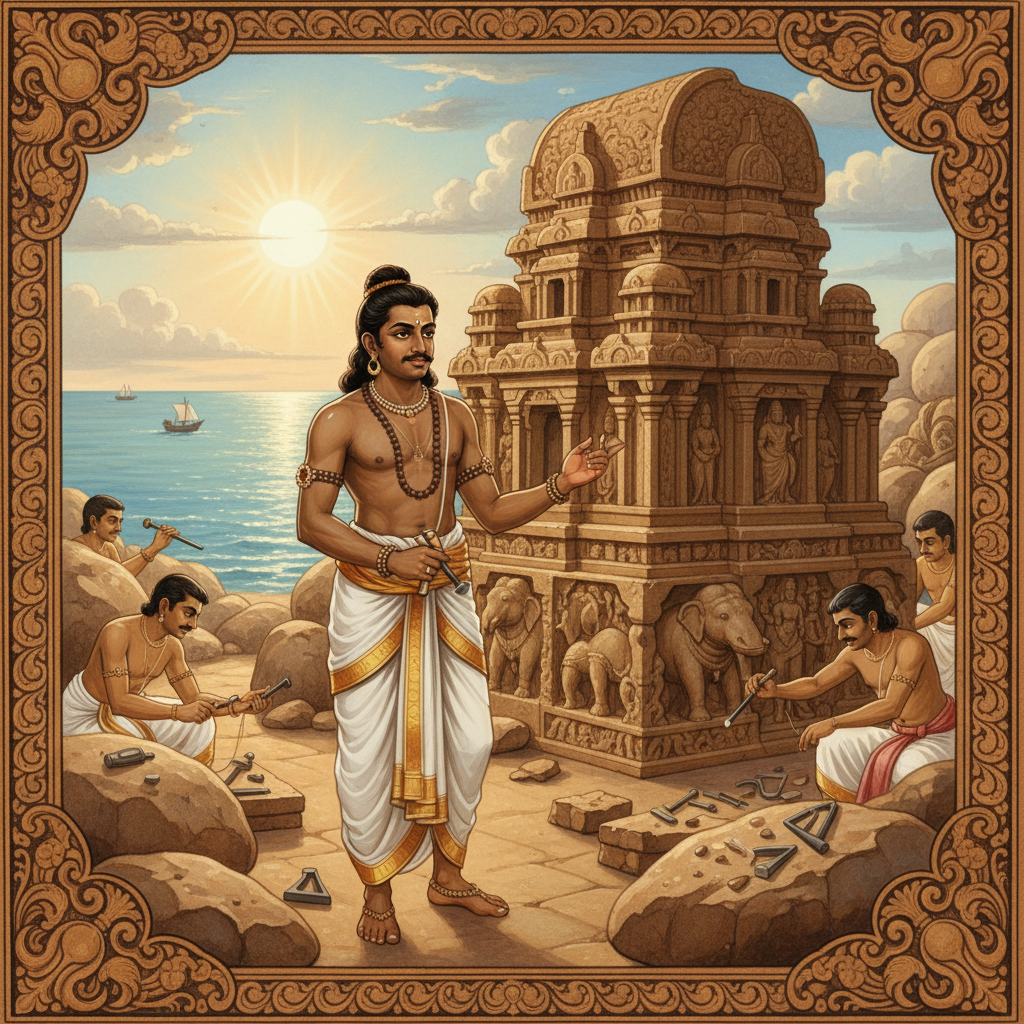
The entire science of Vastu comes from Atharvaveda. Detailed guidance: which direction to build, room layout, kitchen and prayer room placement, number of rooms, entrance orientation. Still followed in Indian architecture today.
Nakshatra effects, planetary positions, horoscope creation, auspicious/inauspicious timings. Also contains Garbha Vidya (embryology) — month-by-month fetal development from conception to birth.
The world's oldest environmental hymn. Praises Mother Earth — her mountains, rivers, forests, oceans. Message: every part of nature is sacred and vital; humans must live in balance with nature. This is ancient environmentalism.
Which season for which crop, fertilizer use, irrigation methods, pest protection. Also covers trade, business success, wealth generation, debt management. Vivaha (marriage), Namakaran (naming), Grihapravesh (housewarming) — all daily life ceremonies.
Mantras for protection from enemies, accidents, and negative forces. Some sections deal with practices considered tantric/controversial — these were originally protective but became debated over time. Many scholars later set them aside, keeping them only for historical study.
Every Samhita, Brahmana, Aranyaka, and Upanishad is assigned to a parent Veda. Here is the complete mapping.
| Veda | Samhitas | Brahmanas | Aranyakas | Key Upanishads |
|---|---|---|---|---|
| Rigveda | 10 Mandalas, 1,028 Suktas, ~10,600 mantras | Aitareya Brahmana Kaushitaki Brahmana |
Aitareya Aranyaka Kaushitaki Aranyaka |
Aitareya Kaushitaki |
| Yajurveda (Krishna + Shukla) |
Krishna: Taittiriya Samhita Shukla: Vajasaneyi Samhita ~2,000 mantras |
Taittiriya Brahmana Shatapatha Brahmana (largest Brahmana text) |
Taittiriya Aranyaka Brihadaranyaka |
Brihadaranyaka, Isha, Katha, Taittiriya, Shvetashvatara |
| Samaveda | 2 parts: Archika + Gana 1,875 mantras |
Tandya Mahabrahmana Jaiminiya Brahmana |
Chhandogya Aranyaka Jaiminiya Upanishad Br. |
Chhandogya Kena |
| Atharvaveda | 20 Kandas, 730 Suktas ~6,000 mantras |
Gopatha Brahmana | (None surviving) | Prashna, Mundaka, Mandukya |
108 Upanishads exist. 11 are the principal (Mukhya) ones. Gita Press publishes 9 smaller ones together as "Ishadi Nau Upanishad" + 2 larger ones (Chhandogya & Brihadaranyaka) as separate volumes.
The four Mahavakyas (Great Sayings) — one from each Veda — summarize all Upanishadic wisdom:
Taittiriya Upanishad describes five layers covering the true Self:
Peeling back each layer through meditation leads to the realization of the true Self (Atman).
King Vishwamitra visited Rishi Vasishtha's ashram, where the divine cow Kamdhenu miraculously fed his entire army. Coveting the cow, Vishwamitra tried to take it by force but was defeated by Kamdhenu's spiritual power.
This defeat shattered his ego and made him realize that spiritual power transcends physical might. He renounced his kingdom and undertook centuries of severe penance.
Devaloka sent storms, illusions, and apsaras to break his meditation — he remained unmoved. Finally, Brahma appeared and granted him the title Brahmarishi. At that supreme moment, the Gayatri Mantra emerged from his heart like a flash of divine light — a mantra that activates the intellect and connects the chanter to cosmic consciousness.
The Vedas describe not just the external world but the inner cosmos of consciousness, energy, and liberation. Yoga is the path of uniting Atma with Paramatma.
Prana is the vital energy that animates all living beings. It flows through the body via Nadis (energy channels) — there are 72,000 nadis, with three primary ones:
Pranayama (breath control) regulates prana flow, calms the mind, and prepares the body for meditation.
Energy centers along the spine described in Vedic and Tantric texts:
Vedas describe yoga as the path of uniting individual consciousness with universal consciousness. Key aspects:
These five pranas are described in the Prashna Upanishad (Atharvaveda).
Vedic rishis understood nature through both deep meditation and empirical observation — millennia before modern science confirmed these concepts.
Vedas describe Earth as round (bhugola) and self-supported in space through gravitational forces. This was known thousands of years before Copernicus or Galileo.
Rigvedic commentary describes the speed of sunlight with remarkable accuracy. The moon's light is described as a reflection of the sun — confirmed by modern astronomy.
The complete hydrological cycle — evaporation from oceans, cloud formation, rainfall, river flow back to ocean — is described in the Vedas.
Concepts of Anu (atom) and Paramanu (subatomic particle) appear in Vedic texts. Vaisheshika Darshana later formalized atomic theory in detail.
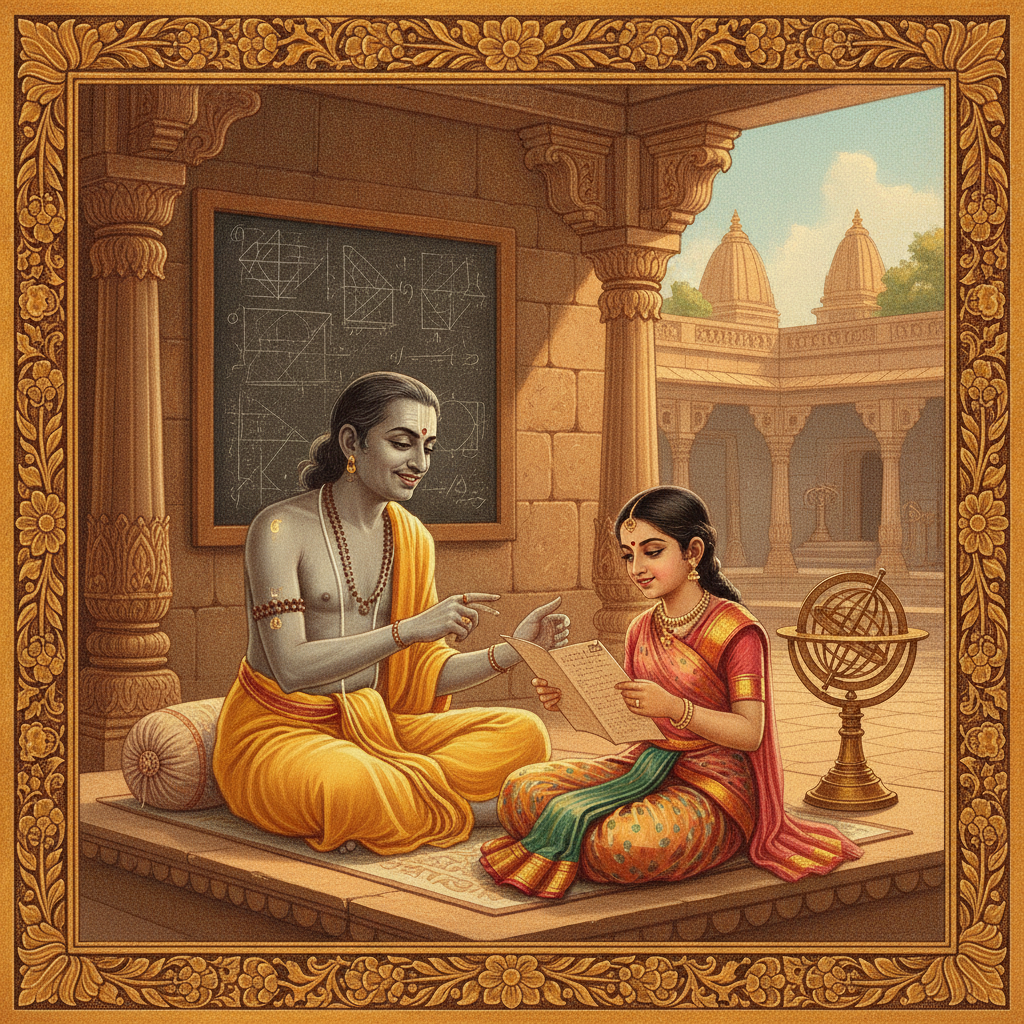
Used for building precise yajna altars. Contains the Pythagorean theorem (Baudhayana's theorem) centuries before Pythagoras. Area calculations, geometric constructions.
Atharvaveda describes month-by-month fetal development. Ayurveda (from Atharvaveda) covers surgery (Sushruta), internal medicine (Charaka), and thousands of herbal remedies.
Six auxiliary disciplines needed to properly study and preserve the Vedas:
All vetted, authentic resources for studying Vedic texts — online and offline.
Ministry of Culture portal. All major Vedic texts including Brahmanas & Aranyakas (hard to find elsewhere). Video pronunciation guides by Sanskrit Acharyas. eBook flipbooks. ~75% in Hindi/English, ~25% Sanskrit only.
Every mantra of every Veda, systematically organized by Mandala. 3–4 Acharya commentaries per mantra (including Dayanand Saraswati). Hindi, English, Marathi translations. Best free resource for reading Samhitas. Navigate to any mantra of any Mandala easily.
Covers Sanatan Dharam, Jainism, Buddhism texts. Most content in English. Great when vedicheritage.gov.in doesn't have your text in a familiar language. Note: Does NOT have Brahmana or Aranyaka texts.
Vedas, Puranas, Upanishads, Bhagavad Gita, Yoga Vasishtha. Hindi translations with flipbook reading. Beautiful categorization. Note: May not include original shlokas; no Brahmana/Aranyaka texts.
Non-profit digital library with lakhs of books. Thousands of Sanskrit books in scanned PDF format. Best for finding rare Brahmana and Aranyaka texts. Search can be tricky — use sanskritdocuments.org for index.
Well-organized categories: Vedas, Puranas, Upanishads, Vedangas. Provides PDF links (often redirects to archive.org). Good starting point when you know what to look for.
Largest publisher of Sanatan texts. Prints 11 major Upanishads: "Ishadi Nau Upanishad" (9 smaller ones combined) + Chhandogya and Brihadaranyaka as separate books. Also: complete Puranas, Ramayana, Mahabharata, Hanuman Ank, Yoga Vasishtha. Does NOT print Samhitas, Brahmanas, or Aranyakas.
Rigveda & Yajurveda Samhitas with detailed mantra-by-mantra commentary. Samaveda Bhashya by Ramnath Vedalankar. Atharvaveda by Kshem Karan Das Trivedi. Complete 4-Veda combo: ₹5,000–6,000. Very thick, scholarly books.
All 4 Vedas (Samhitas) in one affordable combo. Short Hindi explanations (2–3 lines per mantra). Less detailed than Dayanand Bhashya but great for beginners on a budget.
Vedic literature is vast. Here is the recommended reading order for a complete beginner.
The five major subjects described across Vedic and Puranic literature:
The Vedas define four legitimate goals for a balanced life:
Vedas say earning wealth is not wrong, fulfilling desires is not wrong — as long as everything is within dharma. The ultimate aim is moksha — inner freedom where the mind is bound by nothing.